What is Demon WP?
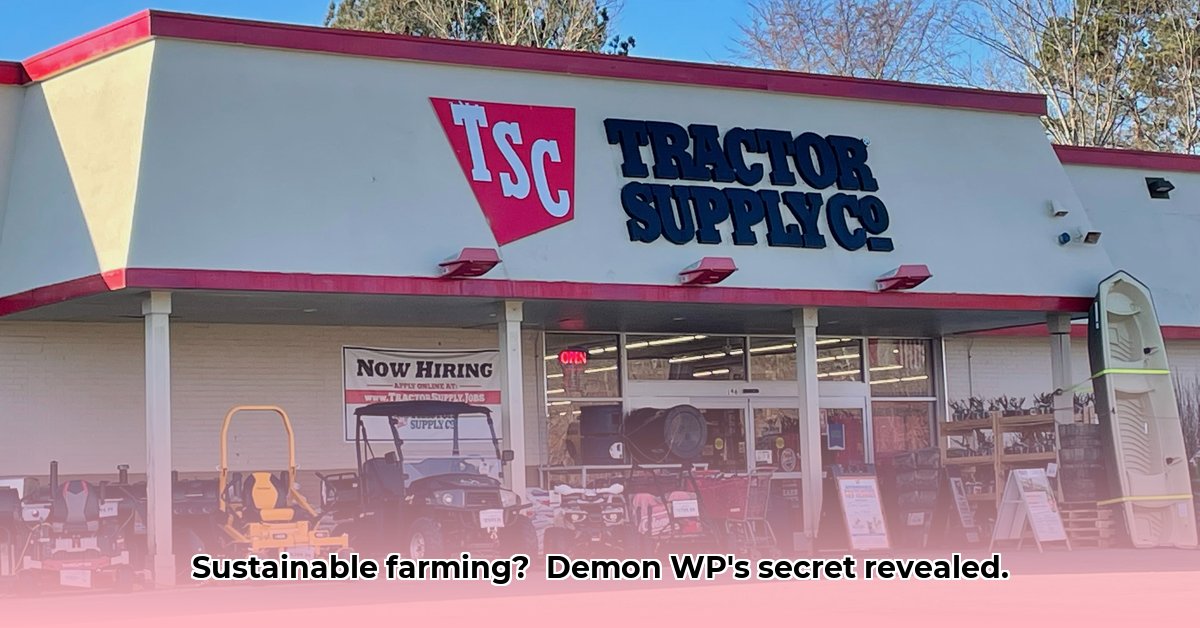
Demon WP is a water-soluble insecticide available at Tractor Supply. While convenient to apply as a spray, crucial details about its composition, specifically the active ingredient(s) and their concentrations, are currently unavailable to the public. This lack of transparency necessitates caution. Understanding the precise chemical makeup is paramount before widespread use.
Does Demon WP Work? A Critical Look at Efficacy
Tractor Supply claims Demon WP effectively controls various crop pests. However, independent verification of this claim is lacking. Real-world effectiveness will vary based on factors beyond the product itself, including pest density, specific pest species, weather patterns, and soil conditions. Therefore, farmers should conduct small-scale tests on their own farms before committing to large-scale application. This is not simply about trusting marketing; it's about responsible stewardship of your land and resources. How can we ensure accurate efficacy data is made public?
Environmental Considerations: A Cautious Approach
Demon WP's water solubility raises concerns about potential water contamination. Runoff from rainfall could carry the insecticide into waterways, potentially harming aquatic ecosystems and polluting water sources. The long-term effects on soil health, beneficial insects, and other organisms remain largely unknown due to a scarcity of comprehensive studies. This lack of data demands caution and a thorough assessment of the environmental risks. Should we prioritize products with more readily available environmental impact data?
Safe and Responsible Use of Demon WP: A Practical Guide
If, after careful consideration, you choose to use Demon WP, prioritize safety:
- Label Review: Once the complete product label is available, study it thoroughly. This includes instructions for application rates, mixing instructions, and safety precautions. Missing or incomplete labels should raise significant concerns.
- PPE is Essential: Always wear appropriate personal protective equipment (PPE), including gloves, protective eyewear, and a respirator to prevent inhalation. Protecting your health is the highest priority.
- Precise Application: Follow label instructions meticulously for application methods and rates. Over-application increases environmental risks without necessarily improving effectiveness. Accuracy is paramount.
- Storage and Disposal: Store Demon WP securely, away from children, pets, and food. Dispose of empty containers according to local regulations, typically involving hazardous waste disposal sites. This critical step protects both personal safety and the environment.
Integrated Pest Management (IPM): A Sustainable Strategy
Integrated Pest Management (IPM) emphasizes a holistic approach to pest control. It prioritizes preventing problems before they arise, utilizing the least toxic methods possible. Here’s how to incorporate Demon WP—if at all—into an IPM strategy:
- Monitoring: Regularly inspect crops for pests. Early detection is crucial for effective control.
- Cultural Practices: Implement sustainable agricultural practices like crop rotation, proper sanitation, and promoting healthy plant growth to naturally deter pests.
- Biological Control: Explore natural predators, such as beneficial insects, to manage pest populations.
- Economic Injury Levels (EIL): Determine the pest population thresholds that cause significant yield loss. Only use insecticides when necessary.
- Targeted Application: Use Demon WP only as a last resort, after exploring other IPM methods. Apply it precisely to affected areas to minimize environmental impact.
Alternatives to Demon WP: Sustainable Choices
Before using Demon WP, consider eco-friendly alternatives such as:
- Biopesticides: Naturally derived insecticides with reduced environmental impacts.
- Botanical Insecticides: Extracts from plants such as neem oil or pyrethrum.
- Mechanical Control: Methods including handpicking, traps, and physical barriers.
The Need for Further Research and Transparency
Demon WP might be a useful tool, but the lack of comprehensive data on its long-term effects and environmental impact hinders a definitive assessment of its sustainability. Independent efficacy testing and environmental impact studies are crucial before widespread adoption. Transparency from the manufacturer is absolutely necessary for responsible decision-making by farmers. What steps can we take to ensure this information becomes readily available?